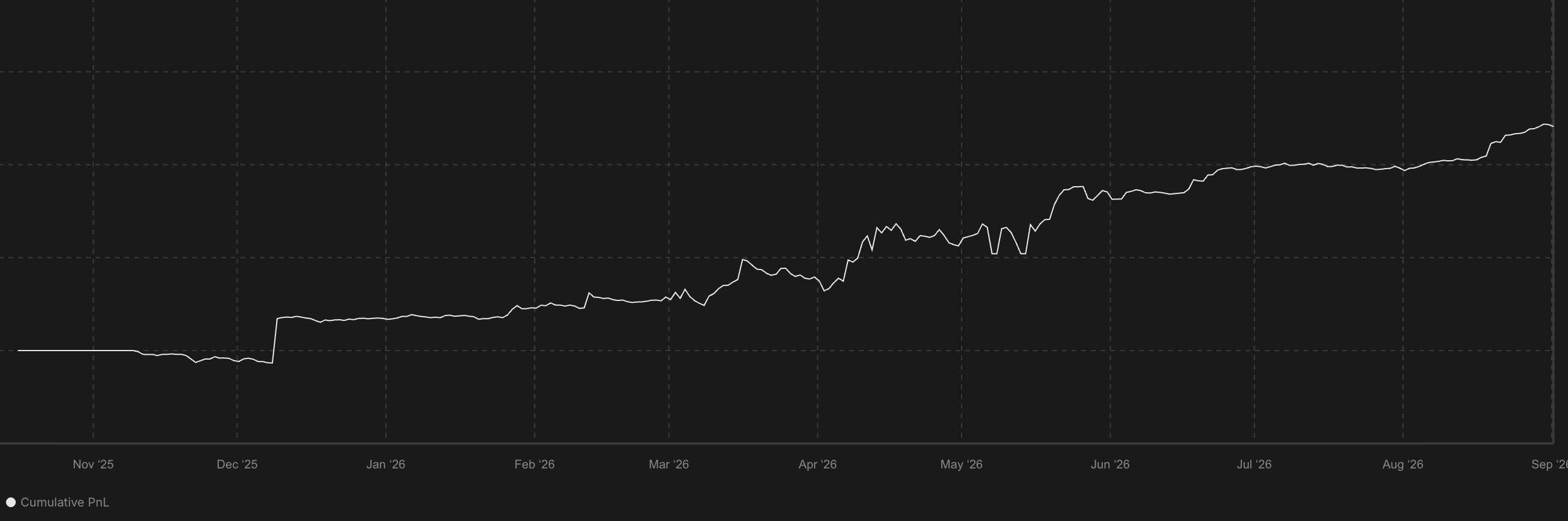
Hello folks, as you guys know, quantpylib has been seeing many updates to enable powerful tools for market making in production and research.
I’ve made 3 new tutorials with fully functional Python code backing my own market making workflows, including
Quantitative tick data lake management.
This is how I manage my own raw flat data archives of market data, with data provenance for seqnos, observed jitter, etc. This allows downstream backtesting to retain “playback fidelity”, and replicate performance concerns such as back-pressure and jitter.
https://quantpylib.hangukquant.com/tutorials/tick_data_archival/
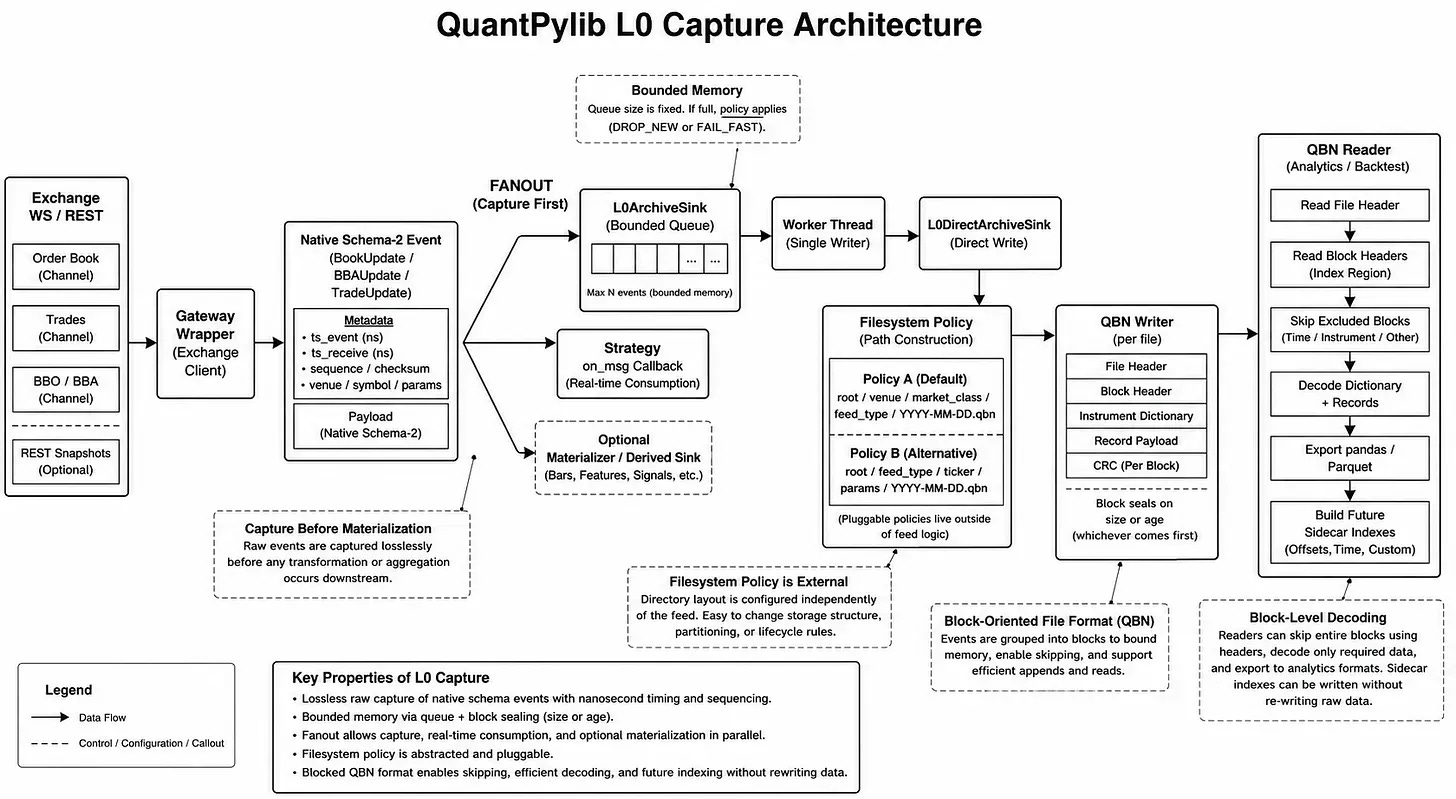
Quantitative tick data simulation and backtests using data lake.
This is the infrastructure that uses tick data and event journals from step 1 to try and replicate live trading behavior and performance. The objective is bipartite - first, to get as “true” of simulation to the live journal and secondly, to use the “true” simulation to test price discovery hypothesis.
https://quantpylib.hangukquant.com/tutorials/market_making/
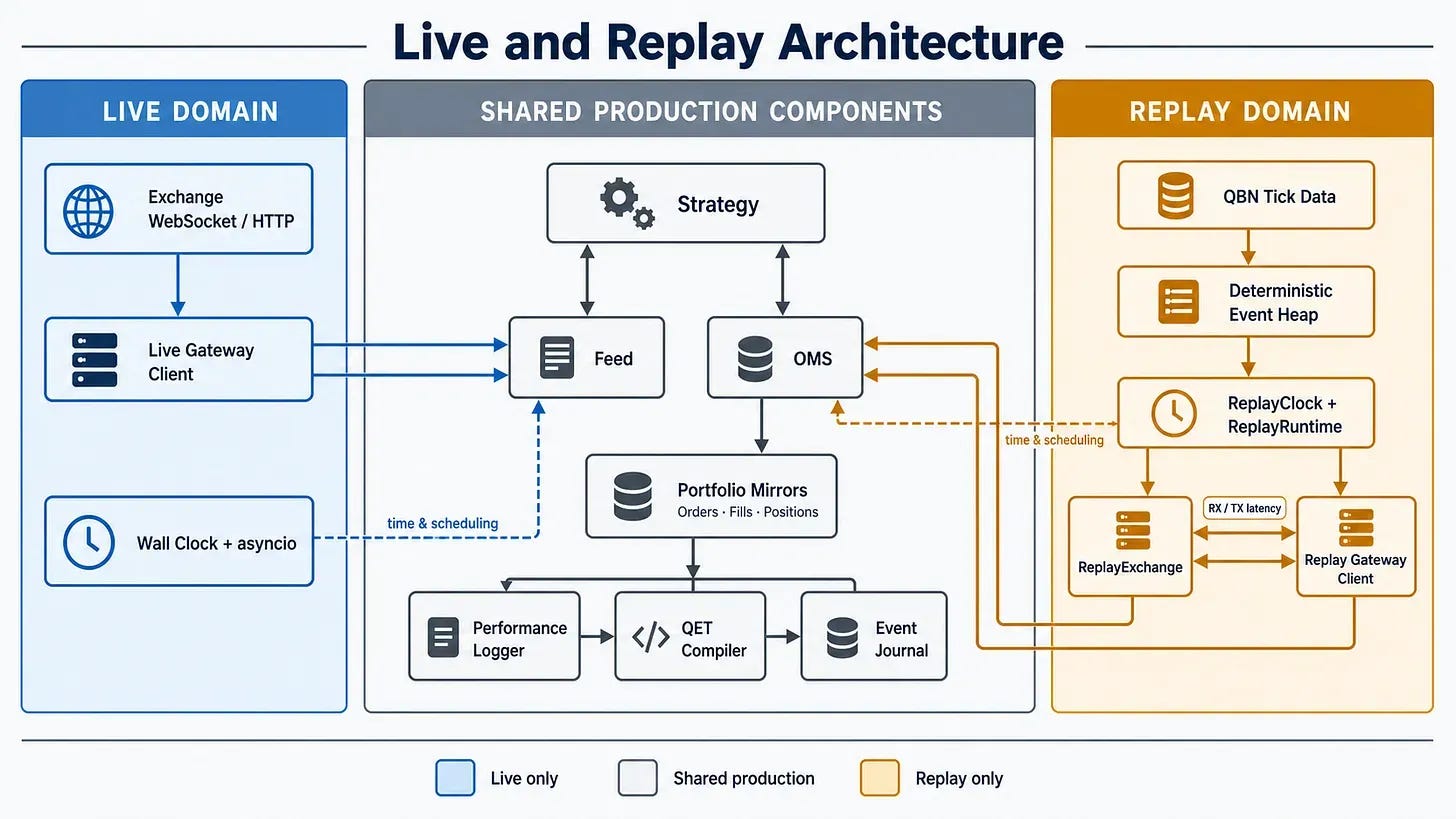
Live Trading, Diagnosis and Calibration of the Backtest Models.
This is an iterative live trading process backed by steps 1 and 2. The live market making code is “unified” with the backtesting code, and live trading generates an action journal.
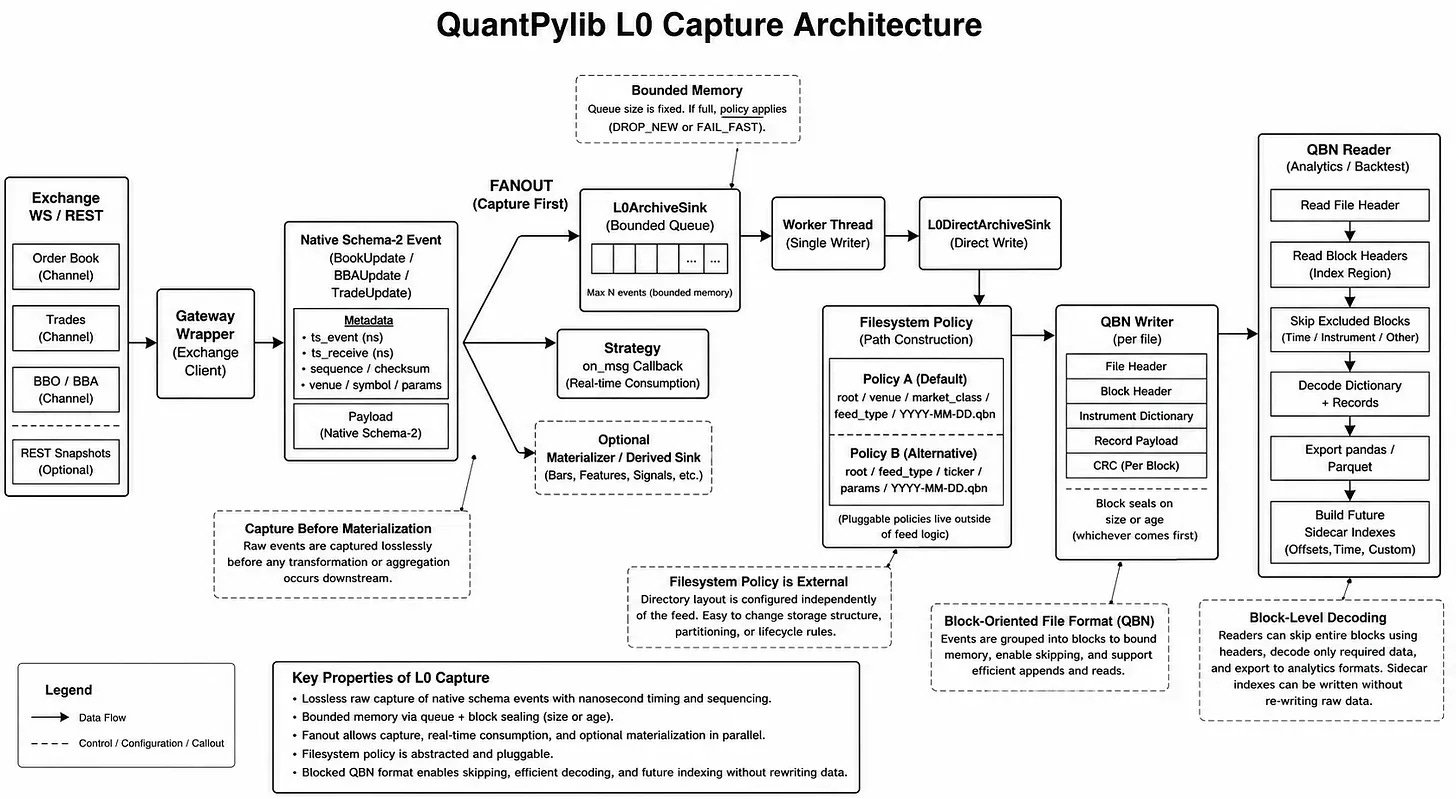
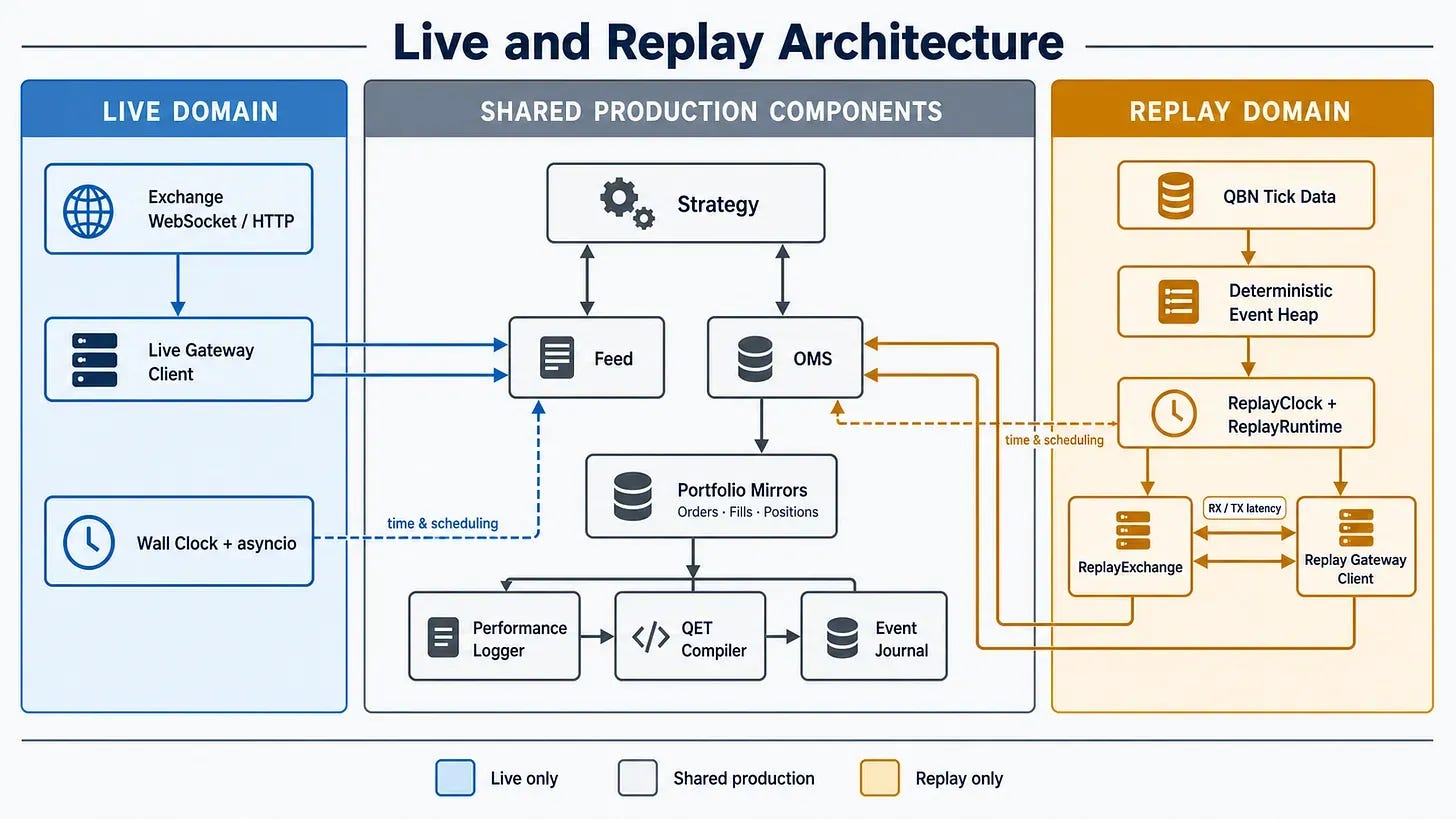
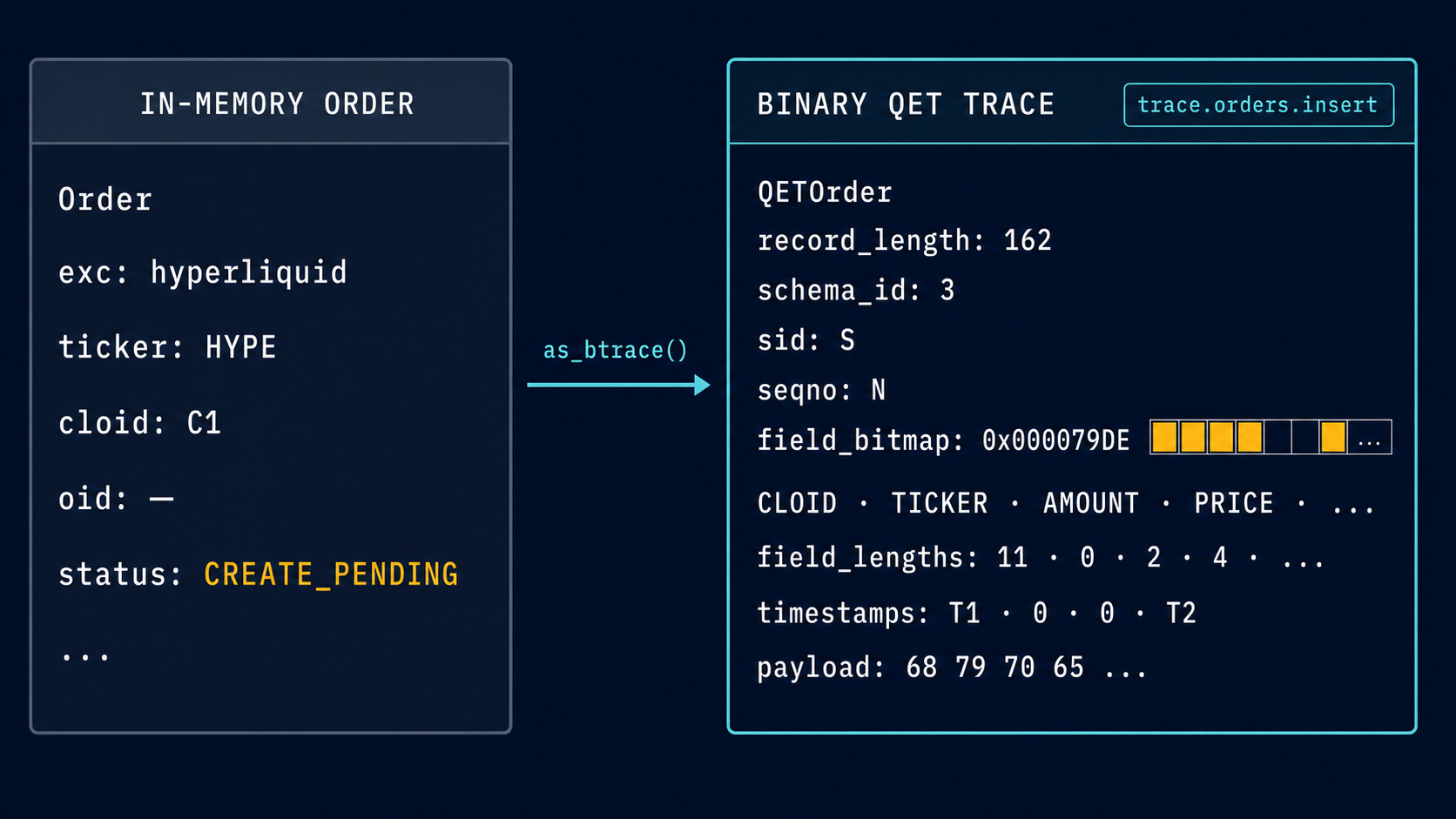
All together, a live market making system generates live pnl, as well as observed actions such as fills, orders and positions. The tick data lake keeps an archive of the system’s data states. Later, the same strategy code is backtested against this data lake to generate simulated actions.
The simulated actions are compared with observed actions to report on backtest fidelity and tune queue models and improve backtest accuracy.
Analytics then run against both market data and observed actions to diagnose shortfall. Shortfalls are targeted by dev-iterations. The iterated strategy is run against the calibrated backtest to validate correctness and improvements. The iteration is then taken live.